


In this guide 4 sections
Every winter, Pakistani news carries sad stories of families harmed by gas heaters in closed rooms. So it is natural to ask: do electric heaters use up oxygen too? The short answer is no.
Why gas heaters use oxygen — and electric ones do not
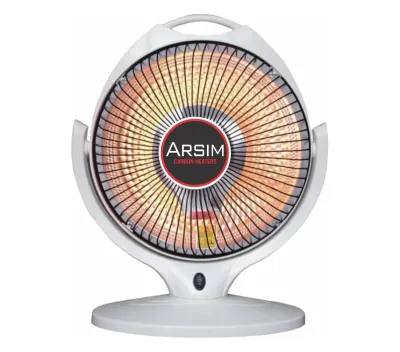
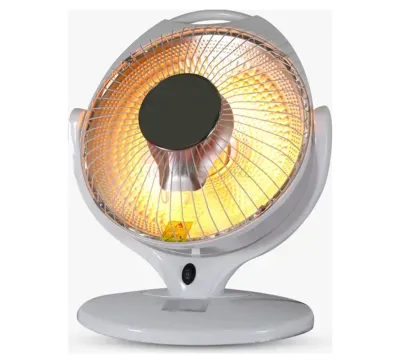
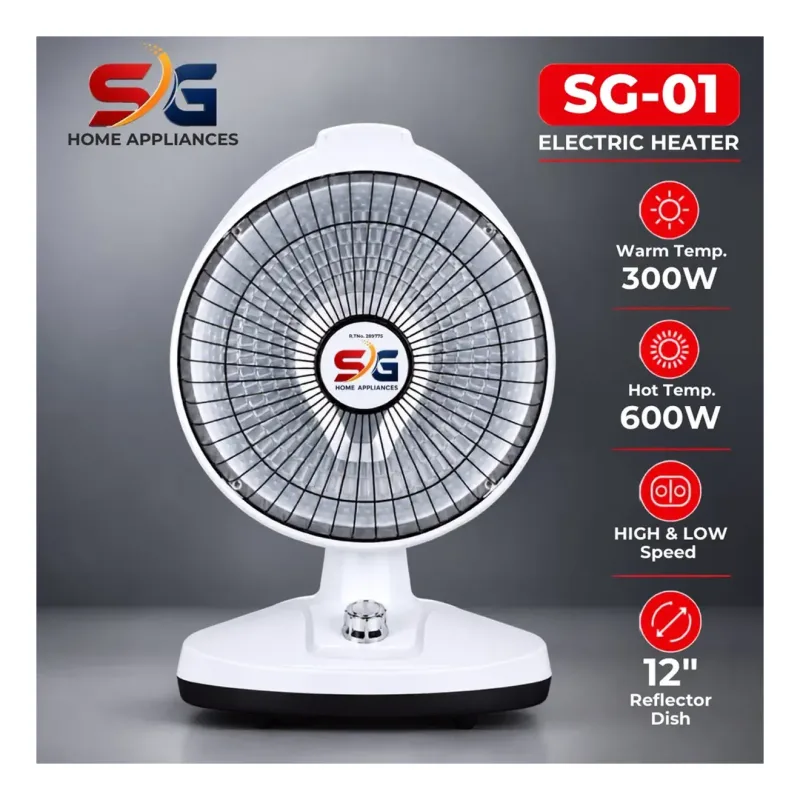
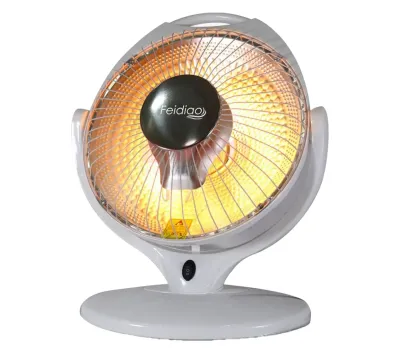
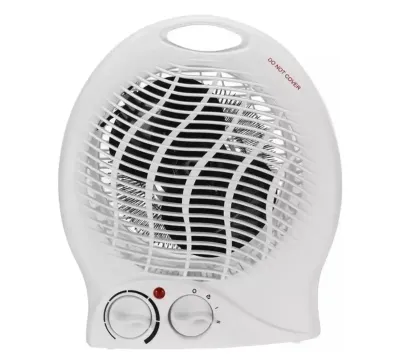
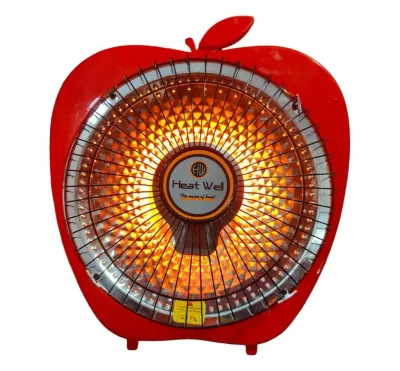
A gas heater makes heat by burning gas, and burning needs oxygen from the room. If the room is closed and the burning is poor, it also produces carbon monoxide, a gas you cannot see or smell. An electric heater makes heat by passing electricity through an element — a rod, a coil, a ceramic block or oil. Nothing burns, so no oxygen is used and no carbon monoxide is made.
Electric vs gas heater
| Electric heater | Gas heater | |
|---|---|---|
| Uses oxygen | No | Yes |
| Carbon monoxide | None | Possible, especially in closed rooms |
| Gas smell / leak risk | None | Yes |
| Needs ventilation | Only for comfort | Always |
| Works when gas pressure is low | Yes | No |
Then why does a heated room feel stuffy?
- Dry air. Warm air holds more moisture, so the same air feels drier — dry throat, dry skin.
- Closed doors. People breathing in a sealed room raise carbon dioxide over many hours — true with or without a heater.
- Dust. Dust on elements can give a burnt smell.
How to keep the air comfortable
- Open the door or a window a little for a few minutes every couple of hours.
- Keep a bowl of water in the room, or use a humidifier.
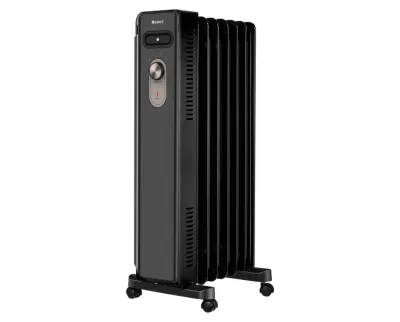
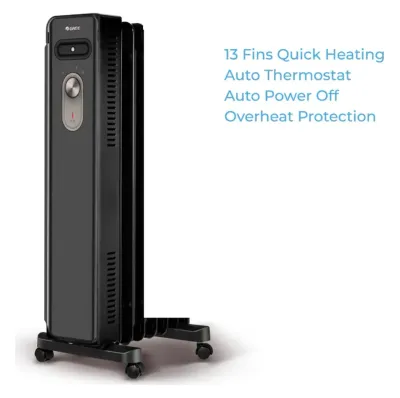
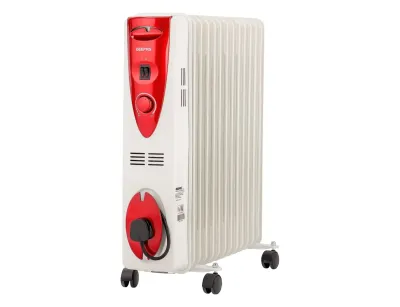
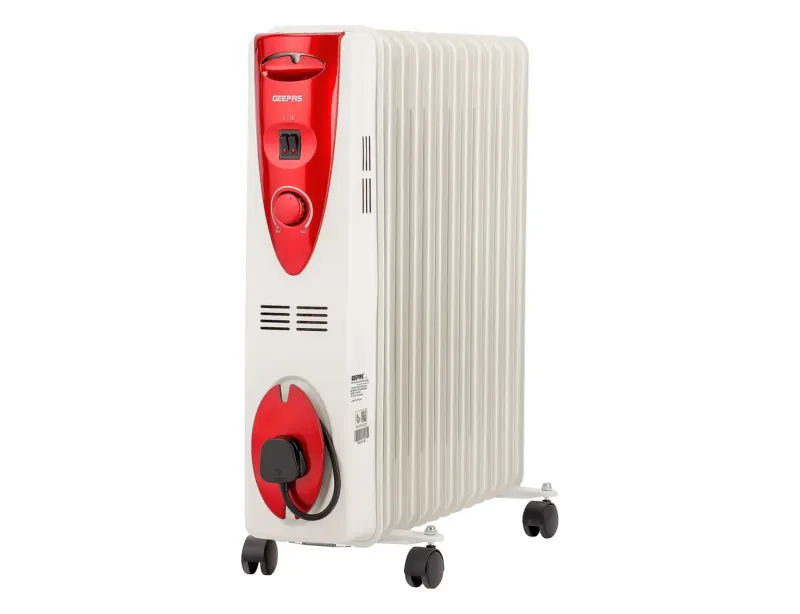
- Choose a gentle heater like an oil radiator for bedrooms.
- Clean grills and reflectors before winter.
Comparing options? Read electric vs gas heater or browse all electric heaters.
Not sure which one to buy?Tell us what you need on WhatsApp — a real person replies and suggests the right product.
Ask on WhatsApp