

 -32%
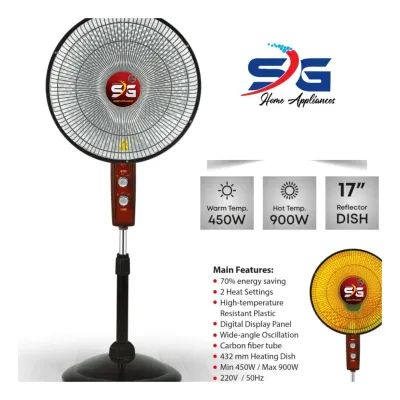
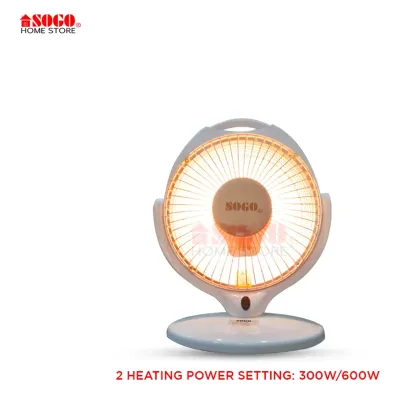
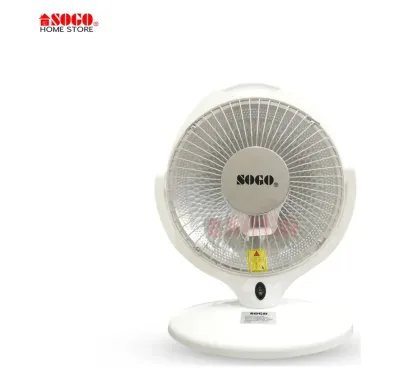
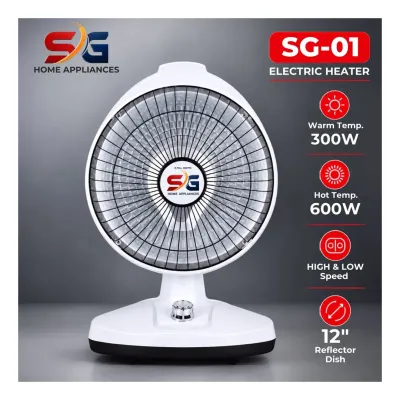
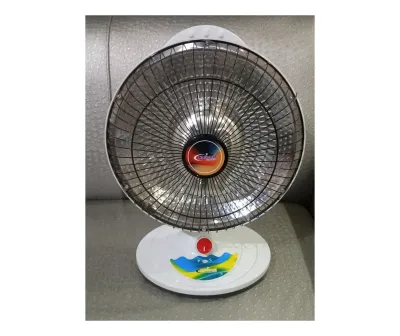
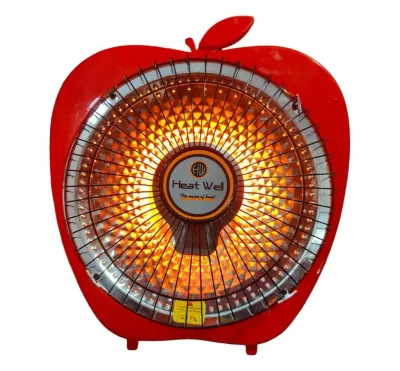
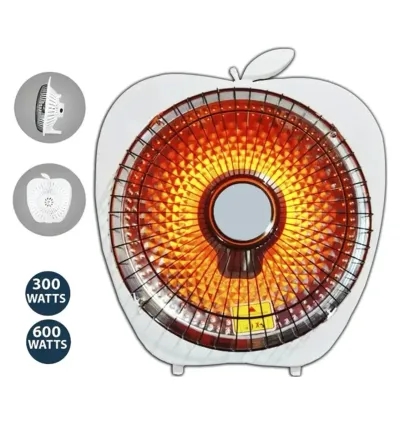
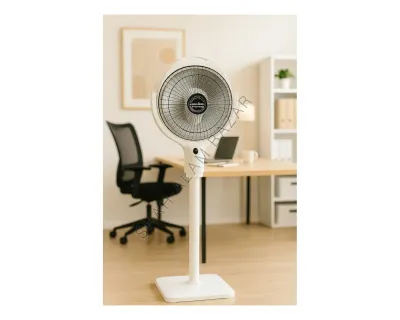
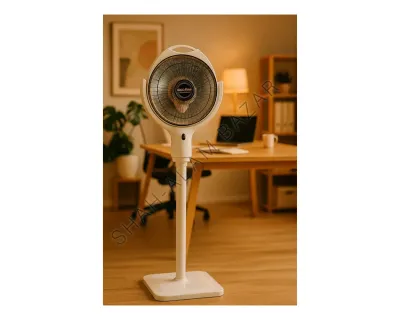
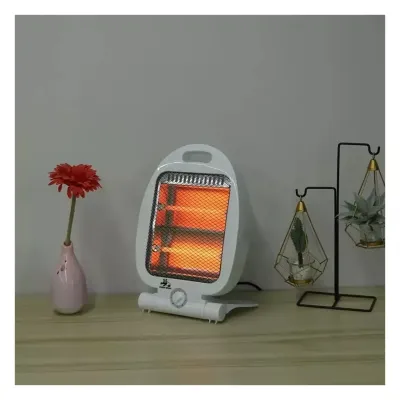
Sun Halogen Electric Dish Heater 300/600 W
Rs.1,699Rs.2,499
Worried about the bill? These energy-saving heaters run on 250 to 600 W — less than a third of a 2,000 W fan heater. They warm you directly and quickly, and many work on UPS and solar backup on their low setting.
-32%
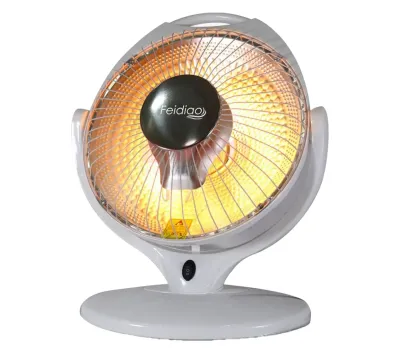
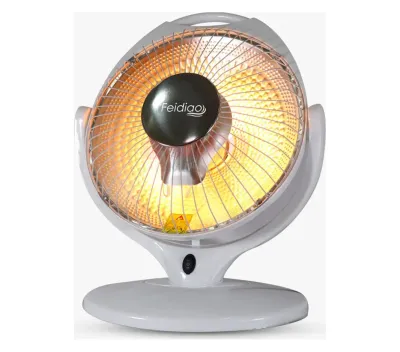 -31%
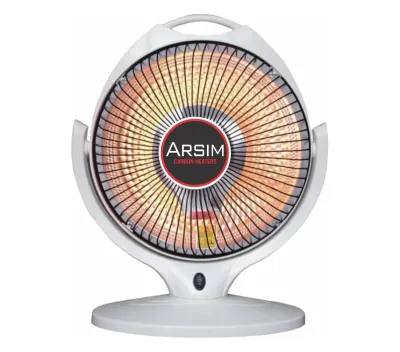
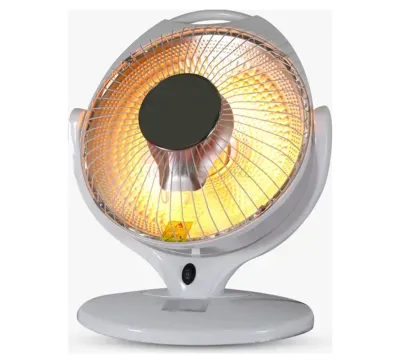 -31%
 -29%
 -32%
 -25%
 -35%
 -36%
 -24%
 -26%
Heater marketing is full of claims like "70% energy saving" and "zero bill". The honest truth is simple physics: a 600 W heater uses 0.6 units an hour, whatever the box says. What you can control is how many watts you use and where the heat goes.
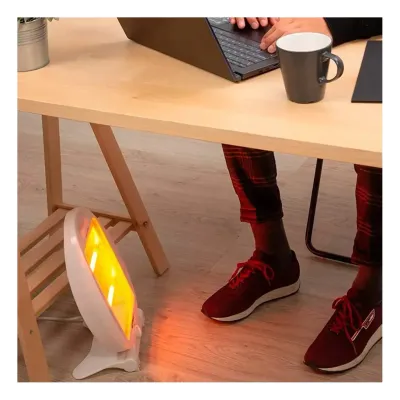
That is why low-watt spot heaters are the smartest choice for sitting areas. A 300/600 W sun heater pointed at the sofa keeps you warm for a fraction of the cost of heating the entire room with a 2,000 W heater. Close the door, wear a warm layer, and use the low setting once you are comfortable.
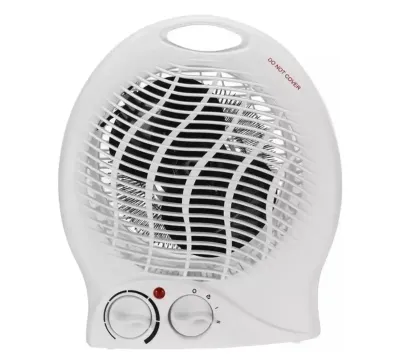
For bedrooms, a fan heater with a thermostat, used to warm the room before bed and then switched off, is far cheaper than running a big heater all night.
| Heater | Power | Units per hour | Approx. cost per hour* |
|---|---|---|---|
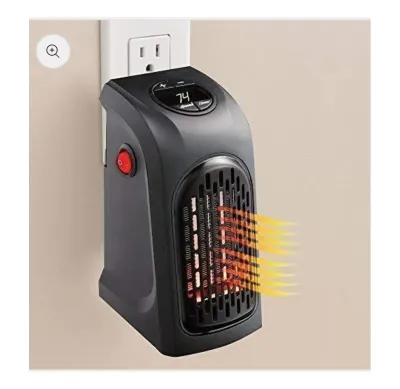
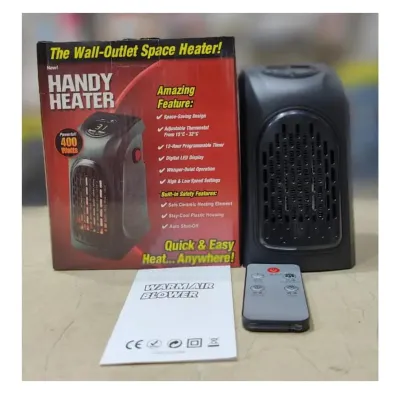
| Handy / mini heater | 400 W | 0.4 | Rs 24 |
| Sun heater (low / high) | 300 / 600 W | 0.3 / 0.6 | Rs 18 / 36 |
| Rod room heater (1 / 2 rods) | 400 / 800 W | 0.4 / 0.8 | Rs 24 / 48 |
| Big dish / stand heater | 900 – 1,000 W | 0.9 – 1.0 | Rs 54 – 60 |
| Fan heater (high) | 2,000 W | 2.0 | Rs 120 |
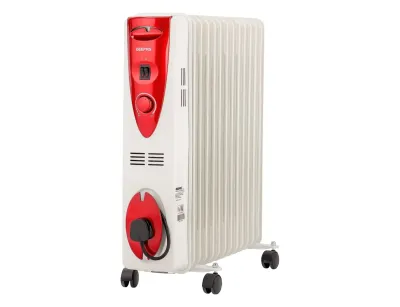
| Oil radiator (elements on) | 2,000 – 2,500 W | 2.0 – 2.5 | Rs 120 – 150 |
Lower watts = fewer units. *Example at Rs 60 per unit. Your real rate depends on your slab, tax and time of use. Thermostat heaters switch off and on, so they often use less than the label.
Check how many spare watts your inverter has after fans, lights and the fridge. A 300 W sun heater or 400 W handy heater is usually fine; a 2,000 W fan heater or oil radiator is not. Remember a heater drains batteries quickly at night. More: heater on solar or UPS.
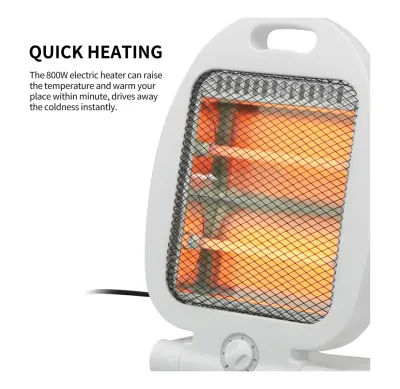
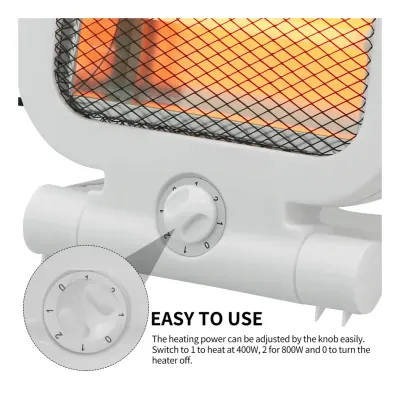
A heater that uses fewer watts — usually a 300/600 W sun heater, a 400/800 W rod heater or a 250–500 W fan heater — and puts the warmth where you sit.
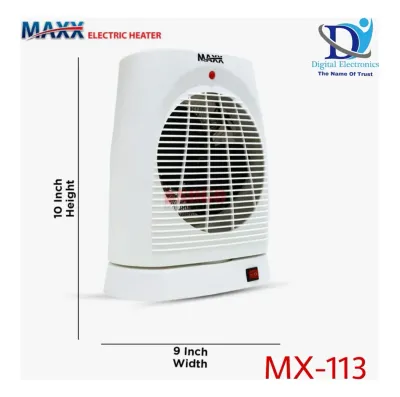
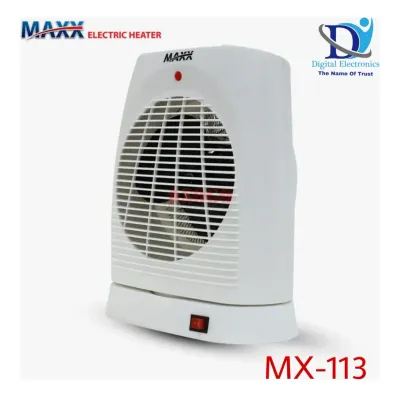
A 250–400 W heater on its low setting: the Maxx MX-113 (250 W), a sun heater on 300 W, or a 400 W handy heater.
No heater turns fewer units into more heat. Savings come from using a lower-watt heater and warming only where you sit.
Many solar and inverter setups can run a 300–400 W heater during the day. Check your inverter's spare capacity.
Yes, with free delivery over Rs 3,000.
Your cart is empty.
Start shopping