

In this guide 5 sections
The question everyone asks before buying a heater: how much will it add to my bill? The good news is that it is easy to work out — the wattage tells you everything.
The simple formula
Units (kWh) = watts ÷ 1,000 × hours. A 2,000 W heater running for 1 hour uses 2 units. A 600 W heater running for 5 hours uses 3 units. Multiply the units by your per-unit rate (shown on your bill) to get the cost.
Units by heater
| Heater | Power | Per hour | Per 4-hour evening | Per month (4 h/day) |
|---|---|---|---|---|
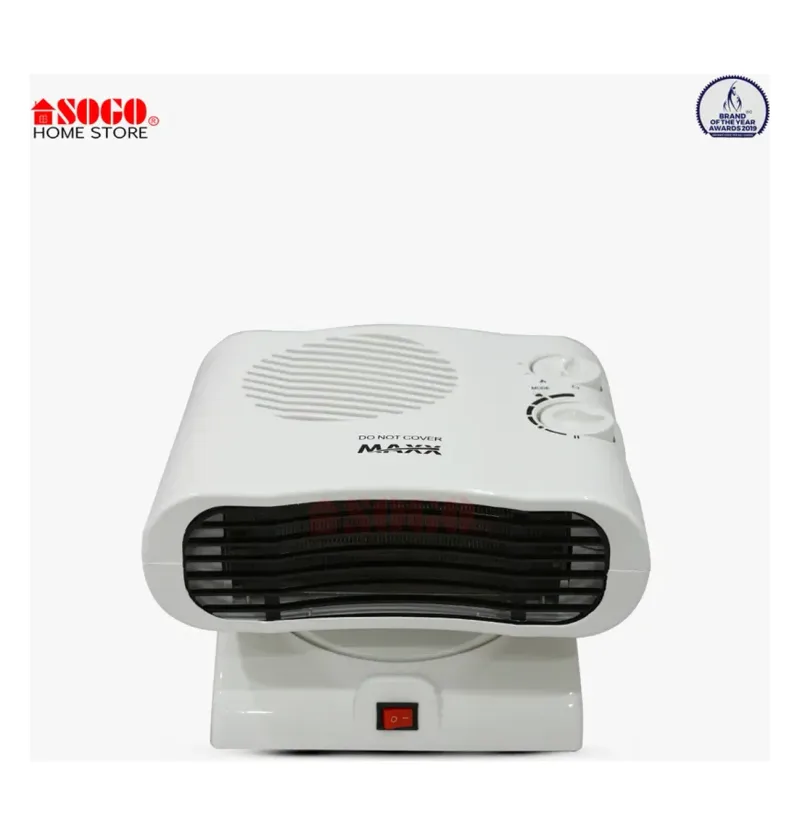
| Maxx MX-113 (low) | 250 W | 0.25 | 1 | 30 |
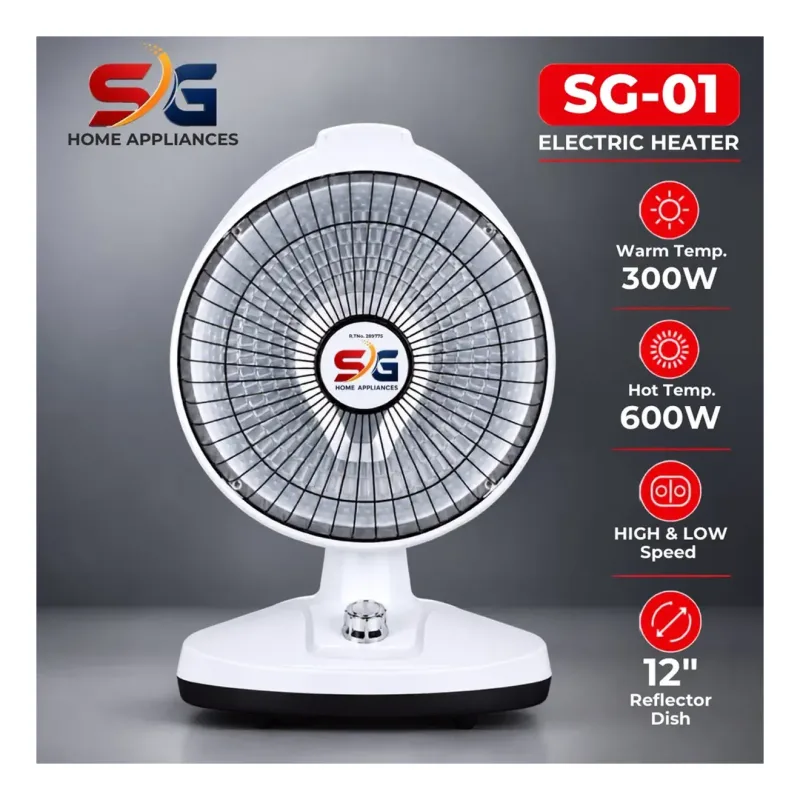
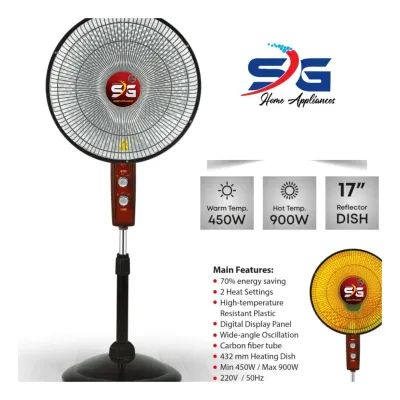
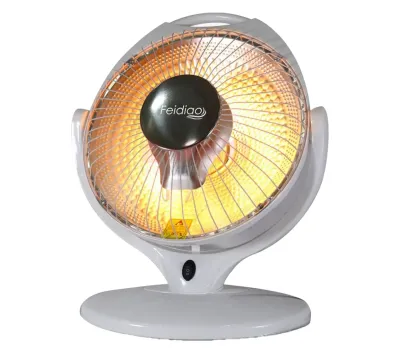
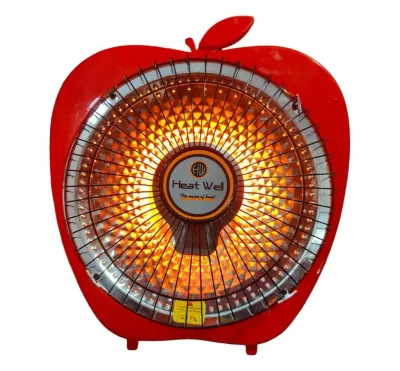
| Sun heater (low / high) | 300 / 600 W | 0.3 / 0.6 | 1.2 / 2.4 | 36 / 72 |
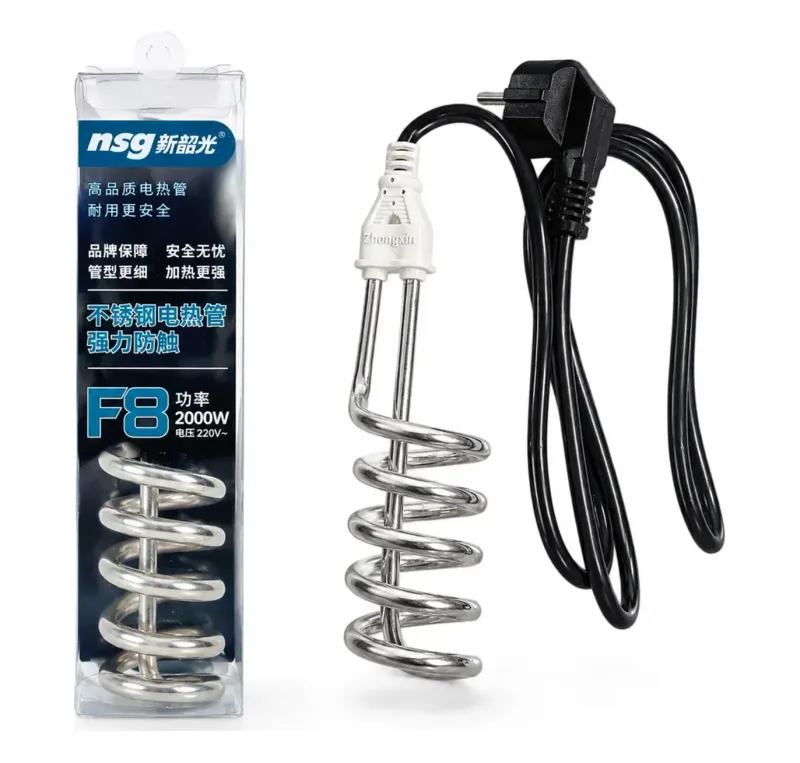
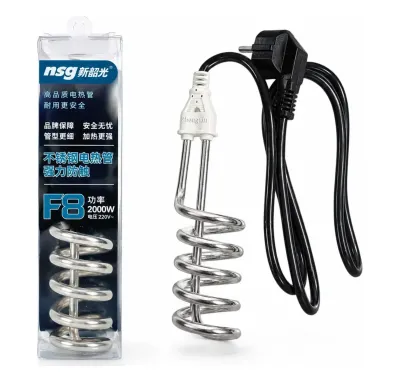
| Rod heater (2 rods) | 800 W | 0.8 | 3.2 | 96 |
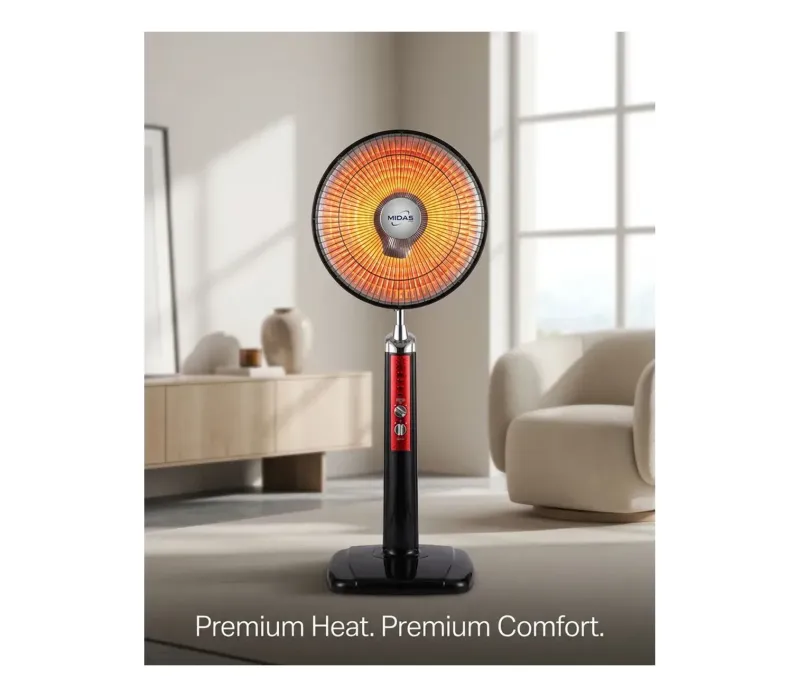
| Stand heater (high) | 1,000 W | 1.0 | 4 | 120 |
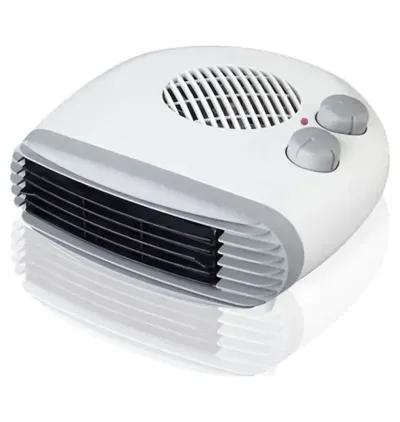
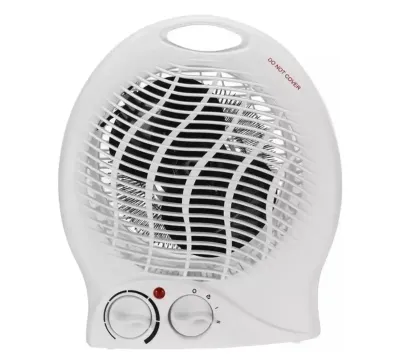
| Fan heater (high) | 2,000 W | 2.0 | 8* | 240* |
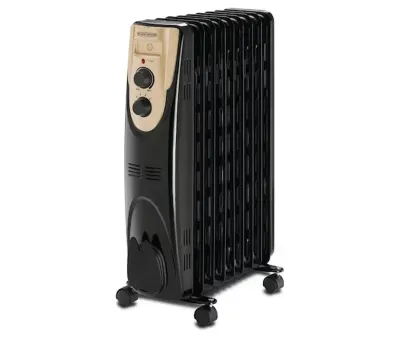
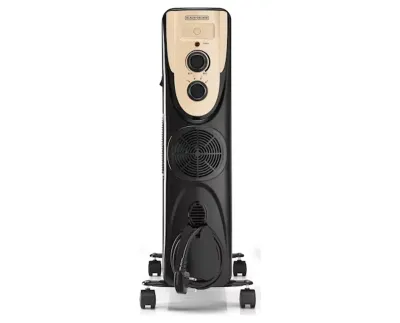
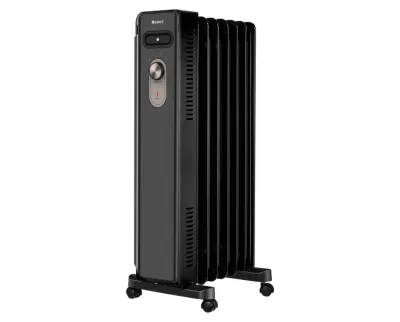
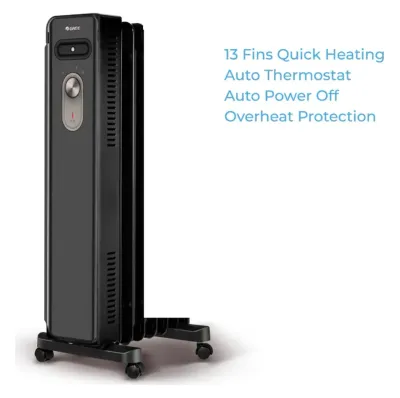
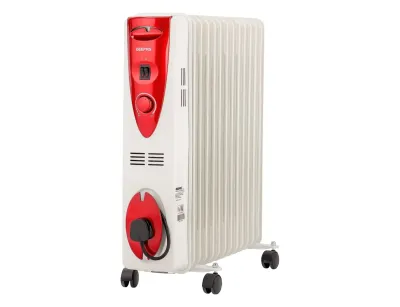
| Oil radiator | 2,200 W | 2.2 | 8.8* | 264* |
*Maximum. With a thermostat, the element switches off once the room is warm, so real use is often much lower.
So, how much does a 2,000 W heater use?
Two units for every hour its element is on. If the thermostat keeps it on for about half the time, a 4-hour evening uses about 4 units rather than 8. That is why a thermostat — on the 2-speed fan heater, TRIMUX or any oil radiator — matters so much.
Why your slab matters
- Pakistani tariffs rise in slabs — extra units can push you into a higher, more expensive slab.
- Peak-hour units cost more on time-of-use meters.
- Taxes and charges are added on top of the unit price.
How to keep the bill down
- Pick the lowest wattage that does the job.
- Use spot heaters for sitting areas.
- Use the thermostat and the low setting.
- Switch off when you leave the room or sleep.
More in our energy-saving heater guide, or browse all electric heaters.